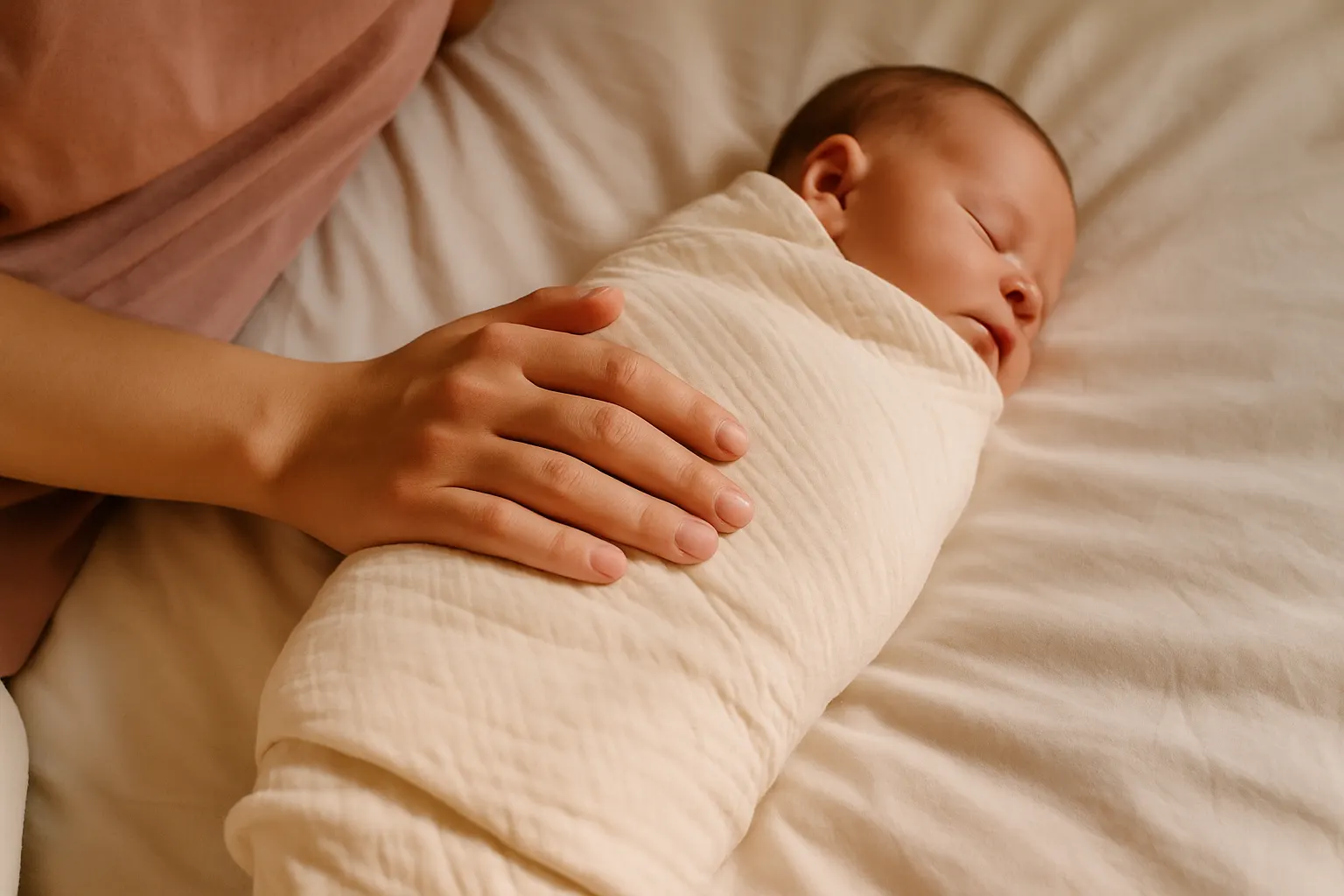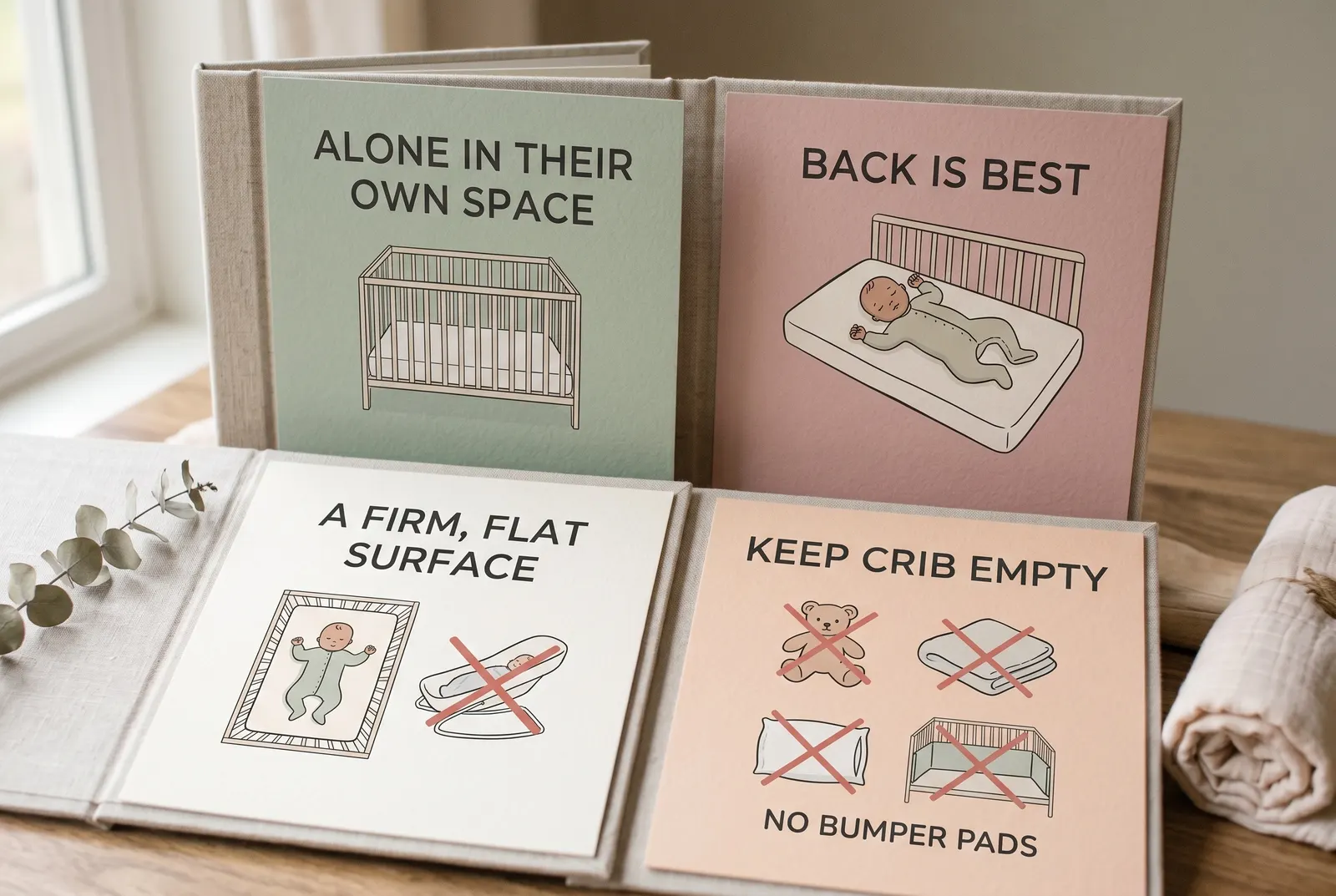
The first nights home with a newborn are tender, weird, and brutally tired. Safe sleep needs to be simple enough to remember at 3 a.m. The AAP and CDC basics are consistent: baby sleeps on their back, on a firm flat surface, in their own sleep space, with no loose blankets, pillows, bumpers, or stuffed toys.
This is general education, not medical advice. Follow your pediatrician's guidance for your baby's specific needs.
Affiliate disclosure: This guide includes affiliate links. If you buy through them, we may earn a commission at no extra cost to you.Set Up One Sleep Space
Choose one primary sleep space before baby comes home: crib, bassinet, or portable play yard with a firm flat mattress and fitted sheet. Keep it boring. Boring is the point.
Useful basics include bassinet fitted sheets, a wearable sleep sack, and a dim nursery night light for feeds and diaper changes.
Skip positioners, loungers for sleep, weighted sleep products unless specifically cleared by your clinician, loose blankets, pillows, and decorative items in the sleep space.
Build the Tired-Parent Routine
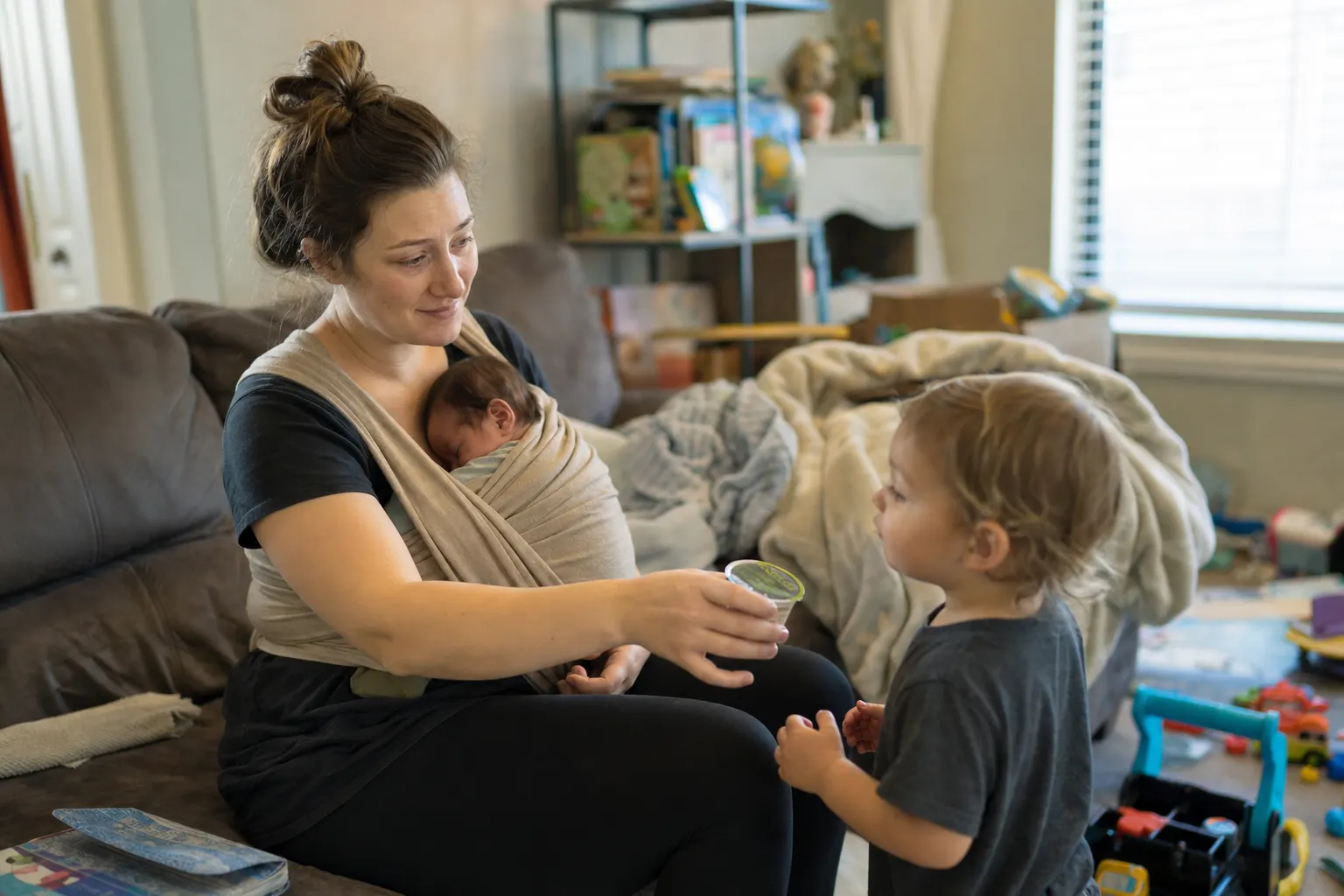
When you feed or comfort baby in bed or on a couch, set a timer or keep another adult nearby if you are at risk of falling asleep. If you feel yourself nodding, move baby back to the sleep space first.
Keep a diaper caddy near the sleep area so changes do not turn into a room-to-room search. Put wipes, diapers, burp cloths, a spare sleep sack, and hand sanitizer in it.
Room Sharing Without Bed Sharing
Many families room share because it makes feeding and checks easier. Room sharing means baby's separate sleep space is in your room. It does not mean baby sleeps in the adult bed.
If the setup is not working, adjust the room, not the safety basics. Move the bassinet closer, add a dim light, prep water and snacks, and reset your postpartum station.
Related Guides
Use this with our safe sleep newborn guide and postpartum comfort corner.