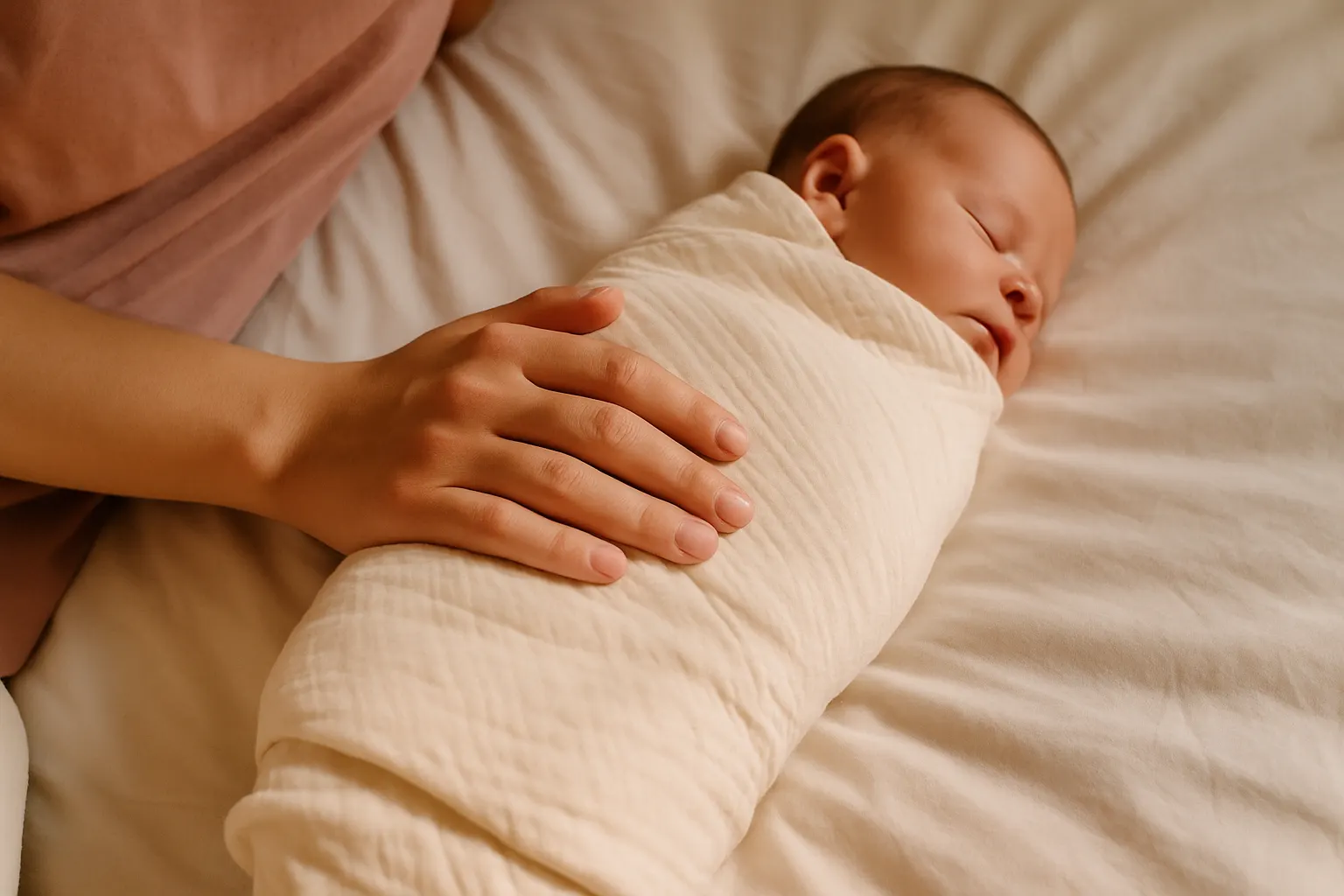
Nobody does a great job of preparing you for c-section recovery. The birth prep classes focus on vaginal delivery. The internet is full of either horror stories or suspiciously cheery "I was up in two days!" posts. Neither is especially helpful when you're staring at your incision on day three wondering what's normal.
This post contains affiliate links. We may earn a small commission at no extra cost to you.Here's the real timeline.
TL;DR: C-section recovery takes about 6 weeks for the basics and up to a year for full internal healing. The first two weeks are the hardest. You will need more help than you think, and that's not weakness — it's abdominal surgery.What Just Happened to Your Body
It's major surgery, not a shortcut
A c-section involves cutting through seven layers of tissue: skin, fat, fascia, the rectus muscles (separated, not cut), peritoneum, uterine wall, and amniotic sac. Then they close everything back up in reverse.
You also just had a baby, so you're doing c-section recovery while your uterus is shrinking, your milk is coming in, and you're surviving on roughly three hours of fragmented sleep. Give yourself some credit.
The First 48 Hours: You Won't Feel It Yet
The catheter and the epidural wearing off
You'll likely have a catheter for 12-24 hours. When it comes out, getting up to pee for the first time will feel like climbing a mountain. Take the nurses' help. Use the bed rail. Go slow.
When the spinal or epidural wears off, the pain hits. Take your scheduled medications on time — don't wait until the pain is a 9 before pressing the button. Staying ahead of pain is always easier than catching up to it.
Frida Mom Peri Bottle and hospital mesh underwear are your best friends right now. Pack extras in your hospital bag — you'll want them.Days 3–7: The Hardest Part
Getting up, sitting down, everything hurts
This is typically when the anesthesia is long gone and you're home, and you realize you cannot cough, sneeze, or laugh without gripping a pillow against your stomach. This is normal. It's called "splinting" and it actually helps — pressing something firm against your incision gives you something to brace against.
Getting out of bed is its own operation. Roll to your side first. Push up with your arms. Let your legs drop to the floor. Don't try to sit straight up like a crunch — your abs were just pulled apart and stapled back together.
Things that will shock you:
- Gas pain. Post-surgery gas pain can radiate up into your shoulder and feel alarming. Walk when you can. It helps.
- The incision itch as it starts to heal. You cannot scratch it. Use ice wrapped in a cloth.
- Your belly looks like it's still pregnant because of swelling and uterine shrinkage. This is temporary.
- Your legs may be swollen from IV fluids. This resolves in a week or two.
Keep your incision dry and clean. Wear loose, high-waisted underwear or postpartum recovery shorts that sit above the incision, not across it. Low-rise underwear that hits the scar line causes friction and makes healing harder.
Weeks 2–4: Turning a Corner
You can do more, but don't overdo it
By week two, most people can move around the house with less misery. You can probably shower normally. The incision is closing, though it may still look red, raised, or angry.
What's normal:- Numbness around the incision (can last months or years — nerve damage takes time)
- Itching
- Tightness when you stand up straight
- A small "shelf" of skin above the scar — this is swelling and scar tissue, not permanent
- Increased redness, warmth, or pus (signs of infection)
- The incision opening or separating
- Fever over 100.4°F
- Unusual pain that's getting worse instead of better
The American College of Obstetricians and Gynecologists recommends no lifting anything heavier than your baby for the first two weeks, and nothing over 10 lbs for the full six weeks. That includes car seats, laundry baskets, older kids. This is not optional — your fascia is still knitting back together.
If you're breastfeeding, a nursing pillow becomes essential. Holding baby across your incision is painful; a pillow takes the weight off your lap and protects the scar.
Weeks 4–6: Looking Human Again
Incision care and scar management
By week four, most people are moving more freely, sleeping a bit better, and starting to see the light at the end of the tunnel. You may be cleared to drive at your 6-week checkup — but ask your doctor, since it varies.
Scar massage can begin once the incision is fully closed (no scabs, no open areas) — typically around 6-8 weeks. Gently massaging the scar with clean fingers, a small amount of vitamin E oil, or a scar gel can help break up adhesions, reduce tightness, and improve the appearance of the scar over time.
You'll likely have your 6-week postpartum checkup here. It's typically a short visit. Advocate for yourself: ask about your scar, ask about physical therapy if you have diastasis recti concerns or pelvic floor issues, and ask about anything that still doesn't feel right.
What Nobody Mentions: Emotional Recovery
The grief part is real
Some c-section moms feel relief. Some feel grief about the birth they planned and didn't get. Some feel both, sometimes in the same hour.
If you feel like you "failed" or "missed out" because your birth went differently than planned — that's a real thing, and you're allowed to feel it. A c-section is not the easy way out. It's surgery. You grew a human and then had your abdomen opened to get them out. That's brave, however it happened.
If feelings of grief, guilt, or disappointment are intense or persistent, consider talking to a therapist who specializes in birth trauma. Related: if postpartum emotions feel bigger than "just adjustment," read our guide to recognizing postpartum depression vs. baby blues.
FAQ
How long does c-section recovery actually take?
Most people feel significantly better within 4-6 weeks, but full internal healing — fascia, nerve endings, uterine wall — takes closer to 6-12 months. You may feel "fine" before you're fully healed, so follow lifting restrictions even when you think you don't need them.
When can I exercise after a c-section?
Your doctor will clear you at the 6-week checkup, but "cleared" doesn't mean jump back into HIIT. Start with gentle walking. Add pelvic floor work before anything core-intensive — your pelvic floor and abdominal connection needs to be rebuilt before planks and crunches.
Will my scar always look like this?
Scars typically soften, lighten, and flatten over 12-18 months. The raised, pink, tender look at 6 weeks is not the final result. Scar massage starting at 6-8 weeks can help significantly. Some people choose silicone scar strips for ongoing treatment, which have good evidence behind them for flattening raised scars.