Let's get one thing straight: the idea of "bouncing back" after having a baby is a myth. Your body performed a marathon, built a human, and went through a monumental transformation. It's not supposed to look the same a few weeks later. This is the real talk about your postpartum body—the stuff you see in the mirror but not on Instagram.
This post contains affiliate links. We may earn a small commission at no extra cost to you. Quick Answer: Your postpartum body will feel unfamiliar for a while. Expect a soft, pouchy belly (even after weight loss), stretch marks, significant hair loss around 3-4 months, and changes in skin texture. Healing is a slow, non-linear process that takes months, not weeks. Be patient and focus on recovery, not just appearance.The journey back to feeling like "yourself" is unique for everyone. Ditching the pressure to "bounce back" is the first step. Let's talk about what's really going on.
The Postpartum Belly: It's Not Just "Baby Weight"
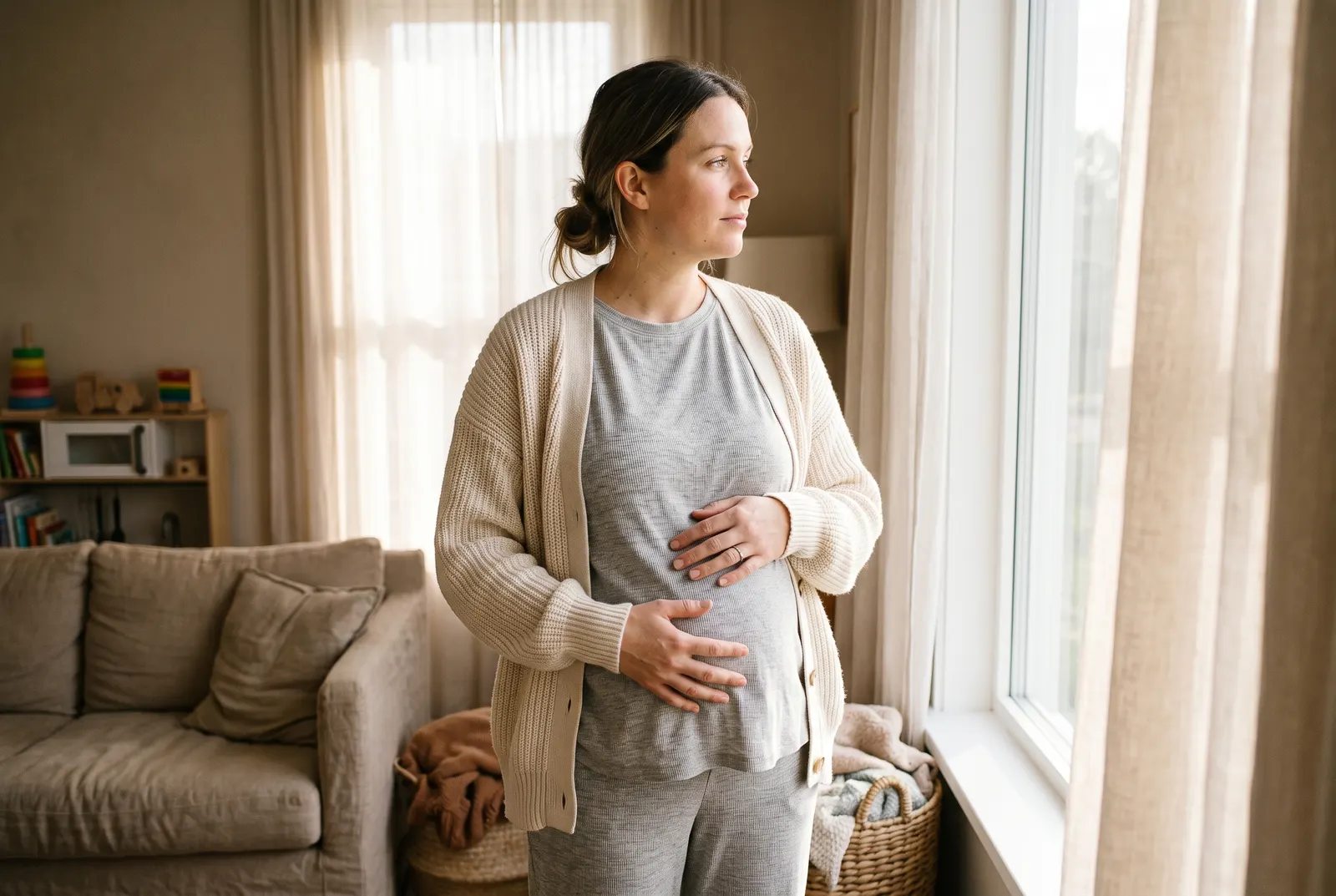
After delivery, you'll still look several months pregnant. This is totally normal! Your uterus is just beginning the long process of shrinking back to its pre-pregnancy size, which can take six weeks or more. But the "pooch" that remains is often about more than just your uterus.
The 'Pooch' and Diastasis Recti
That persistent lower-belly pouch is often caused by diastasis recti—the separation of your outermost abdominal muscles. During pregnancy, these muscles stretch apart to make room for your growing baby. For many, they don't just snap back together.
It can create a bulge that won't go away no matter how much you diet or exercise. You can check for it by lying on your back, knees bent, and lifting your head slightly; if you can fit several fingers in the gap down the midline of your stomach, you likely have some separation. For more info, check the guidance from major health organizations like ACOG. Gentle core exercises focused on the transverse abdominis can help, but avoid crunches, which can make it worse. A good postpartum belly wrap can offer support in those early weeks.
What About the C-Section "Shelf"?
If you had a C-section, you might notice a "shelf" or pouch of skin that hangs slightly over your scar. This is incredibly common and happens due to the way the incision is stitched, creating a slight indentation that causes the tissue above it to bulge. While gentle scar massage can sometimes help soften the tissue, this is one of the postpartum body changes that can be very persistent. Wearing supportive, high-waisted underwear can make a big difference in comfort. Some women also find that silicone scar sheets can help improve the scar's appearance over time.
Let's Talk About Stretch Marks and Skin
Stretch marks are battle scars, but it's okay if you don't love them. These tiny tears in the supportive layer under your skin affect most pregnancies. They may start as red or purple and will fade to a silvery-white over time, but their texture will likely remain.
While no cream is a miracle cure, keeping your skin hydrated can help with elasticity and itching. Many moms swear by Bio-Oil or cocoa butter to help improve the appearance of stretch marks over time. Your skin may also feel loose and saggy, especially on your belly. This is normal! It took nine months to stretch, and it needs time to regain some of its tone.
The Surprising Truth About Postpartum Hair Loss
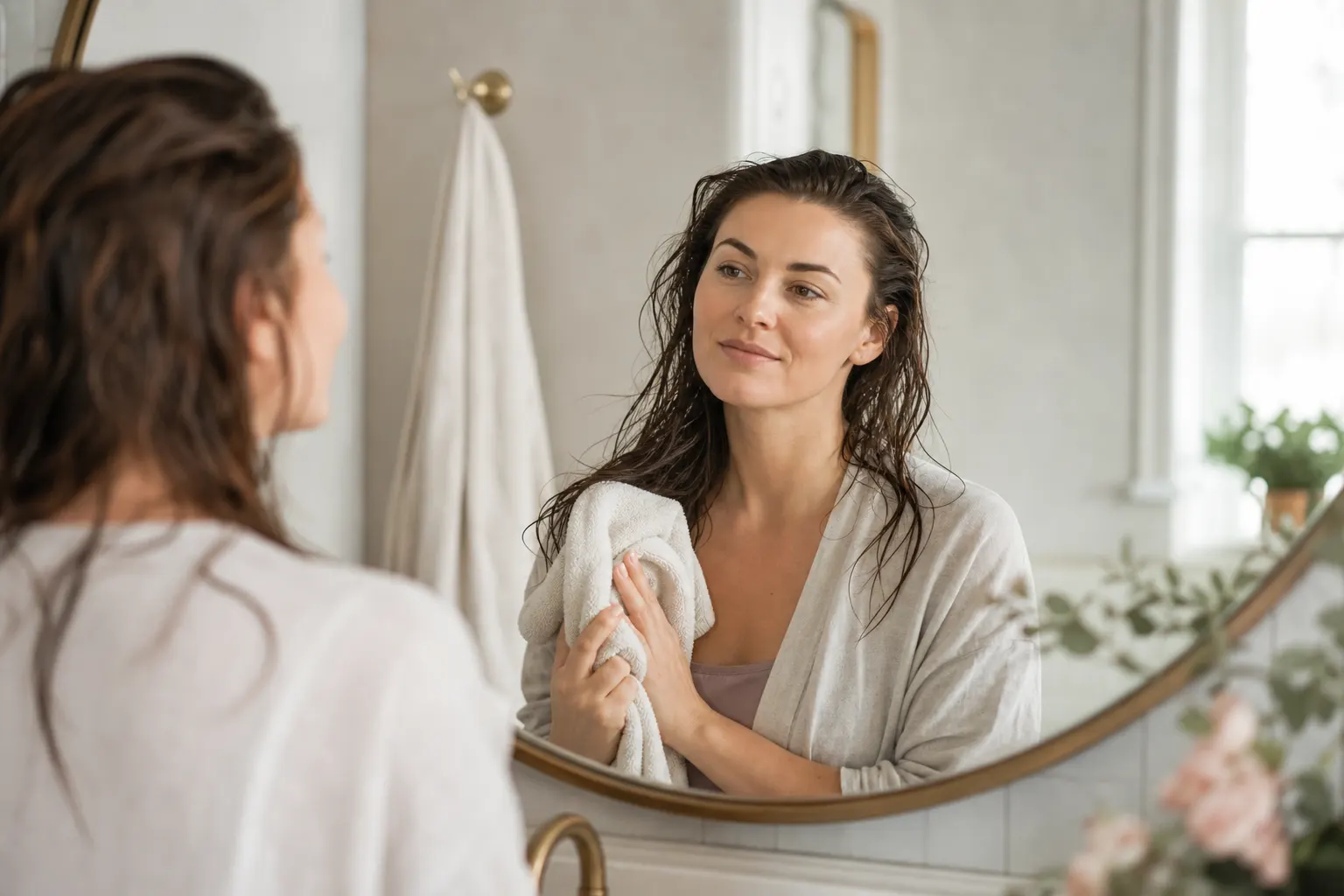
Around three to four months postpartum, you might be horrified to see clumps of hair falling out in the shower. Don't panic! This is telogen effluvium, or postpartum hair loss. During pregnancy, high estrogen levels prevent your normal daily hair shedding. After birth, your hormones plummet, and all that hair you should have lost over the past nine months comes out at once.
It can be dramatic, especially around your temples. This is temporary. It usually peaks around 4-6 months and resolves by your baby's first birthday. While you can't stop it, you can support new growth by eating well and considering a postnatal vitamin with biotin. Be gentle with your hair—avoid tight ponytails and excessive heat styling.
Your Body, Your Timeline: Finding 'Normal' Again
Your postpartum body did something amazing. It deserves respect, patience, and kindness. Forget the 6-week timeline you hear about. For most people, it takes a year or more to feel physically recovered. Even then, your "normal" might be a new normal. Your hips may be wider, your feet a size bigger, and your breasts a different shape.
These changes aren't failures. They are the roadmap of your journey into motherhood. Focus on what your body can do—cuddle your baby, go for a walk, feel a little stronger each day. That's where the real progress is.
For more on the raw reality of healing, check out our guide on Postpartum Recovery: The Things No One Warned Me About.
FAQ
How long does it take for the postpartum belly to go down?
The uterus typically shrinks back to its normal size by six weeks, but the "pooch" from stretched skin and separated abdominal muscles (diastasis recti) can last for many months, or even years. Healing is gradual and different for everyone.
Can I prevent postpartum hair loss?
No, postpartum hair loss is a normal, hormone-driven process that cannot be prevented. However, you can support healthy regrowth by maintaining a nutritious diet, continuing your prenatal or postnatal vitamins, and being gentle with your hair.
Are stretch marks permanent?
Yes, stretch marks are a form of scarring and are permanent. They will fade significantly over time, usually from a reddish-purple to a silvery-white color, becoming much less noticeable. Hydrating oils and creams may help improve their appearance.