You finally thought you had it figured out. Your baby was sleeping in longer stretches, maybe even giving you a solid five or six hours at a time. You felt human again. And then, somewhere around the four-month mark, it all fell apart. Welcome, dear parent, to the infamous 4-month sleep regression. It's real, it's exhausting, and you are not alone.
This post contains affiliate links. We may earn a small commission at no extra cost to you. TL;DR: The 4-month sleep regression is a permanent change in your baby's sleep architecture, not a temporary phase. Their brain is maturing to cycle through light and deep sleep, just like an adult. This causes them to wake up fully between cycles, often every 45-60 minutes. The key to survival is establishing a consistent routine and helping them learn to fall asleep independently.This isn't just a bump in the road; it's a fundamental shift in how your baby sleeps. But don't panic. Understanding what's happening is the first step toward navigating it without losing your mind.
What Exactly Is the 4-Month Sleep Regression?
First off, it's not really a "regression" in the sense of your baby losing a skill. It's a progression. Around this age, your baby's brain matures, and their sleep patterns shift from a simple newborn sleep-wake cycle to a more adult-like structure. They now cycle through periods of deep sleep and lighter, more active sleep.
The problem? When they transition between these cycles (roughly every 45-120 minutes), they briefly wake up. Before, they might have drifted right back to sleep without you even noticing. Now, they're more aware of their surroundings. If the way they fell asleep—rocking, nursing, a pacifier—is no longer there, they'll sound the alarm. As the Cleveland Clinic explains, this is a normal developmental milestone, but that doesn't make it any less challenging.
Signs Your Baby Has Hit the Regression
If you're nodding along, you've probably seen these signs:
- Frequent Night Waking: The most obvious sign. A baby who was sleeping for hours is now up every hour or two.
- Short Naps: Naps that were once a blissful 90 minutes might now be a frustrating 30-45 minutes on the dot.
- Increased Fussiness: A sleep-deprived baby is a cranky baby. You may notice more crying and general irritability during the day.
- Difficulty Falling Asleep: The old tricks might not work anymore. Bedtime and naptime become a battle.
If this sounds like your life right now, take a deep breath. This is a common hurdle, and there are ways to get through it.
Gentle Strategies to Survive and Thrive
You don't have to resort to "crying it out" unless you want to. There are many gentle approaches to help your baby (and you) get more rest. For more ideas, you can also check out our guide on baby sleep without cry-it-out methods.
1. Establish a Consistent Routine
Babies thrive on predictability. A calming bedtime routine signals that it's time to wind down. This doesn't have to be complicated. A simple sequence like a warm bath, pajamas, a book, a quick feed, and a cuddle can work wonders. The key is to do it in the same order at the same time every night.
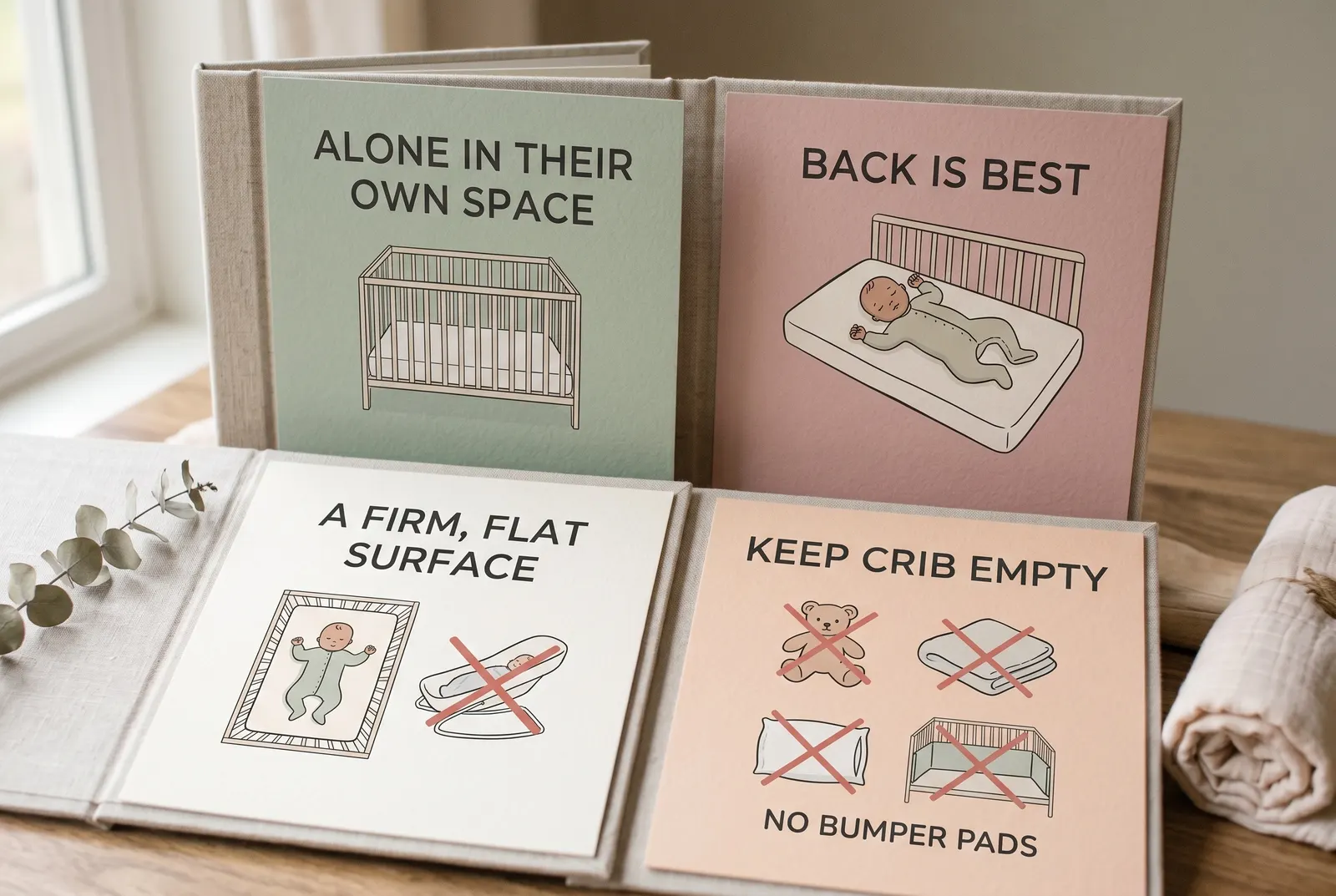
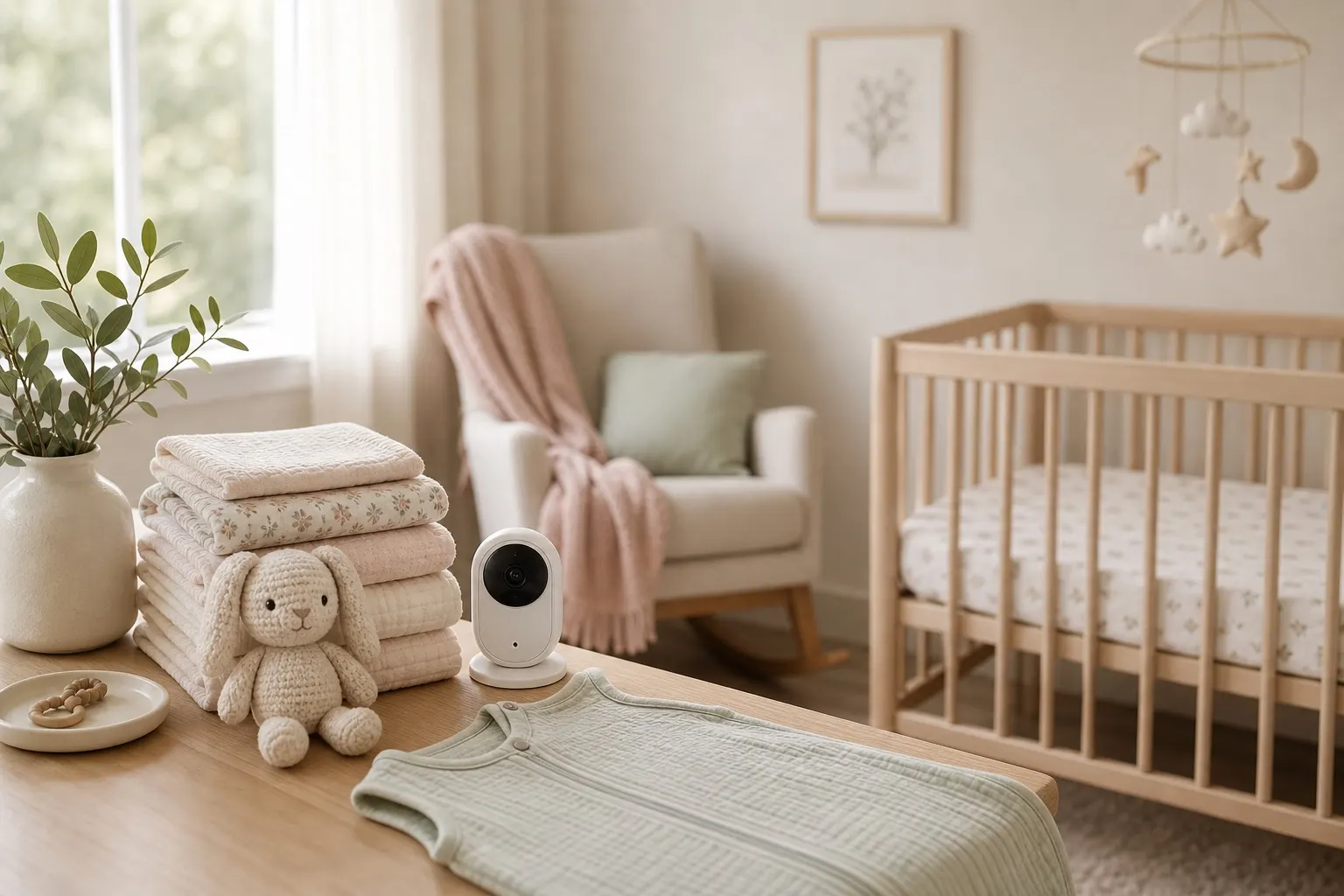
2. Create the Perfect Sleep Environment
Make your baby's room a cave. Darkness encourages the production of melatonin, the sleep hormone.
- Blackout Curtains: Invest in some good blackout curtains to keep the room dark for both naps and nighttime.
- White Noise: A consistent, boring sound can drown out household noises and help lull your baby to sleep. A white noise machine is a nursery essential.
3. Focus on "Drowsy But Awake"
This is the holy grail of baby sleep. The goal is to put your baby down in their crib when they are calm and sleepy, but not fully asleep. This gives them the opportunity to practice the skill of falling asleep on their own. It won't happen overnight, but consistency is key.
4. Optimize Wake Windows
An overtired baby has a harder time falling and staying asleep. At this age, most babies can only handle being awake for about 90 minutes to 2 hours at a time. Tracking this with an app like Ovia can be a lifesaver. Watch for sleepy cues like yawning or rubbing eyes, and start the wind-down routine before they become overtired.
Products That Can Help
While no product is a magic bullet, a few things can make this period more manageable.
- Sleep Sack: As your baby may be rolling, it's time to ditch the swaddle. A wearable sleep sack keeps them warm and cozy without the safety risks of loose blankets.
- A Solid Baby Monitor: Seeing that your baby is just stirring between sleep cycles—and not in distress—can help you wait a few minutes before rushing in.
Remember, this phase is tough, but it's also temporary. Your baby is hitting an amazing developmental milestone. Be patient with them, and more importantly, be patient with yourself.
FAQ
How long does the 4-month sleep regression last?
While the change in sleep patterns is permanent, the disruptive "regression" period typically lasts anywhere from two to six weeks as your baby adjusts and learns new sleep skills.
Should I start sleep training during the regression?
You can. Many parents use this opportunity to gently teach independent sleep skills. The key is to choose a method you're comfortable with and be consistent. It's also okay to wait until things have settled down a bit.
Will my baby ever sleep through the night again?
Yes, absolutely! This period feels endless, but by establishing healthy sleep habits and routines, your baby will learn to connect their sleep cycles and eventually sleep in much longer stretches again.