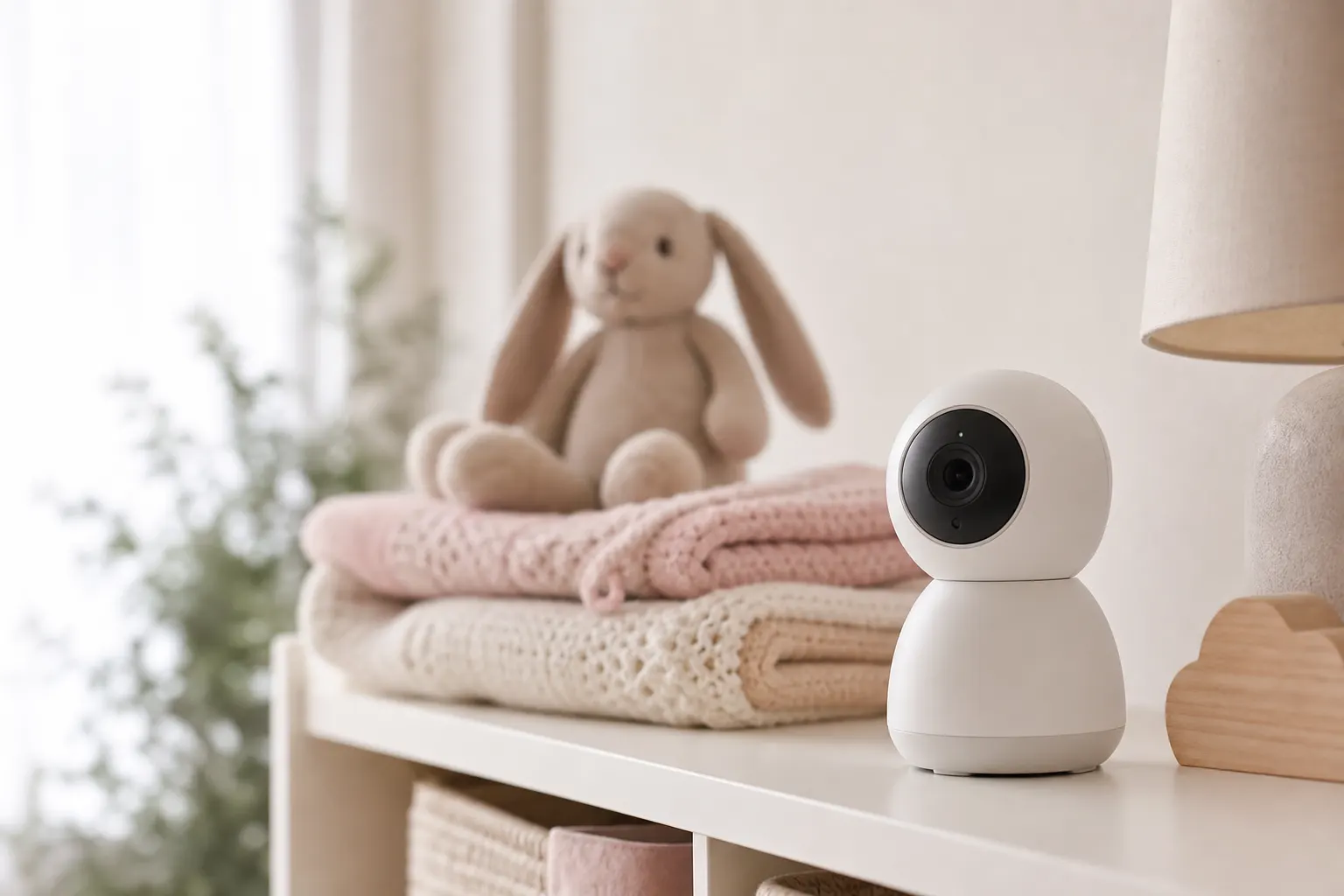
Let's be honest: the baby monitor market is a jungle of features you don't need, designed to prey on your new-parent anxiety. Do you really need 4K video, a breathing sensor, and Wi-Fi access to know if your baby is asleep? Probably not. The primary job of a baby monitor is simple: to tell you if your baby is making noise. Everything else is a bonus.
This post contains affiliate links. We may earn a small commission at no extra cost to you. Quick Answer: For most parents, a simple, non-Wi-Fi digital video monitor offers the best balance of security, features, and price. It gives you peace of mind without the security risks of an internet-connected device or the high cost of a medical-grade sensor.Before you drop hundreds of dollars on a high-tech surveillance system for your nursery, let's break down what actually matters.
Wi-Fi vs. Non-Wi-Fi: The Great Debate
This is the biggest decision you'll make. It comes down to convenience versus security.
Wi-Fi Monitors
These connect to your home's internet, allowing you to check the video feed from your phone anywhere in the world.
- Pros: Access the feed from anywhere, often have better apps and features.
- Cons: Can be hacked. Yes, it really happens. They are also dependent on your Wi-Fi signal, which can be unreliable.
- Best For: Parents who travel, want to check in while at work, or are comfortable with the security risks. A great option is the Nanit Pro Smart Baby Monitor, known for its excellent camera and analytics.
Non-Wi-Fi (FHSS) Monitors
These use a dedicated, closed-circuit frequency to connect the camera to a handheld parent unit.
- Pros: Extremely secure and virtually impossible to hack from the outside. Simple, reliable, and they just work.
- Cons: Limited range (usually around 1,000 feet) and you can only view the feed on the included parent unit.
- Best For: Most families. They are secure, reliable, and do the job perfectly. The Infant Optics DXR-8 PRO is a fan favorite for a reason—it's a workhorse with great video quality and zero fuss.
Do You Actually Need Video?
In most cases, video is a "nice-to-have," not a "need-to-have."
Audio-Only Monitors
These are the old-school walkie-talkies of the baby world. They are incredibly cheap, reliable, and have an amazing battery life.
- Why they're great: An audio monitor like the VTech DM221 tells you the one thing you actually need to know: is the baby crying? It costs a fraction of a video monitor and eliminates the obsession of staring at a screen all night.
- Downside: You can't see what's happening. Is that a real cry or just a sleep-whimper? You'll have to go in to find out.
Video Monitors
Video gives you visual confirmation. You can see if the baby is standing up, has a leg stuck, or is just dreaming. This can save you a few trips to the nursery.
- Why they're great: Peace of mind. Seeing is believing.
- Downside: They can create anxiety. You might find yourself staring at the screen, analyzing every twitch. They are also more expensive and have worse battery life.
Features That Sound Cool But Are Mostly Useless
The baby monitor industry loves to add features to justify higher prices. Here's what you can probably skip.
Breathing and Heart Rate Monitoring
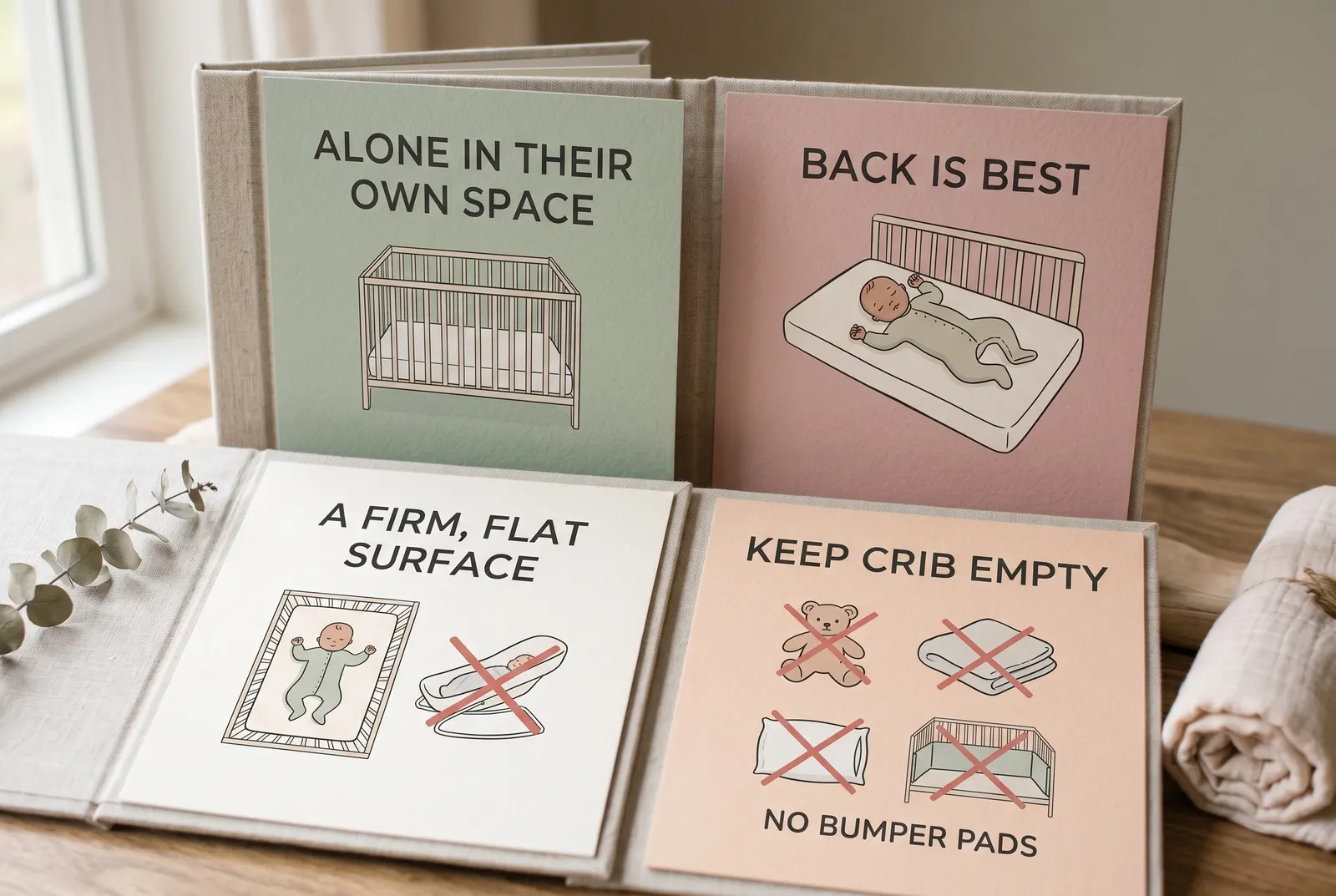
Unless your baby has a specific medical condition and your pediatrician has recommended it, you do not need this. These consumer-grade sensors are not medical devices and can lead to false alarms, causing immense panic. The American Academy of Pediatrics does not recommend them for SIDS prevention. For more information on safe sleep practices, you can consult official guidelines from the CPSC.
Room Temperature Sensors
Your body is a perfectly good room thermometer. If the room feels comfortable to you, it's fine for the baby. These sensors are often inaccurate and just one more number to stress about.
Lullabies and Two-Way Talk
The sound quality on most monitor speakers is terrible. Your baby would probably rather hear you sing from the other room. The two-way talk feature is more likely to startle a baby than soothe them.
The Bottom Line
Don't let marketing convince you that you need a military-grade surveillance system. The goal is to get a safe, reliable tool that helps you sleep a little better. For most people, a dependable, non-Wi-Fi video monitor is the perfect sweet spot. It provides security and visual confirmation without the unnecessary bells, whistles, and security risks.
And remember, as we covered in our minimalist newborn essentials guide, sometimes the simplest solution is the best one.
FAQ
H3: How far do non-Wi-Fi baby monitors reach?
Most non-Wi-Fi monitors have a range of about 900 to 1,000 feet in an open area. In a typical house with walls, you can expect a reliable signal throughout the home, but it might cut out if you go far into your backyard.
H3: Is it safe to buy a used baby monitor?
Buying a used audio or non-Wi-Fi video monitor is generally safe. However, be cautious with used Wi-Fi monitors. You'll need to ensure the previous owner has completely de-registered the device from their account to prevent any unauthorized access.
H3: Do I need a baby monitor for a small apartment?
If your home is small enough that you can easily hear your baby from any room, you might not need a monitor at all. It can be useful for times when you have background noise, like the TV or a running shower, but it's not an absolute necessity.