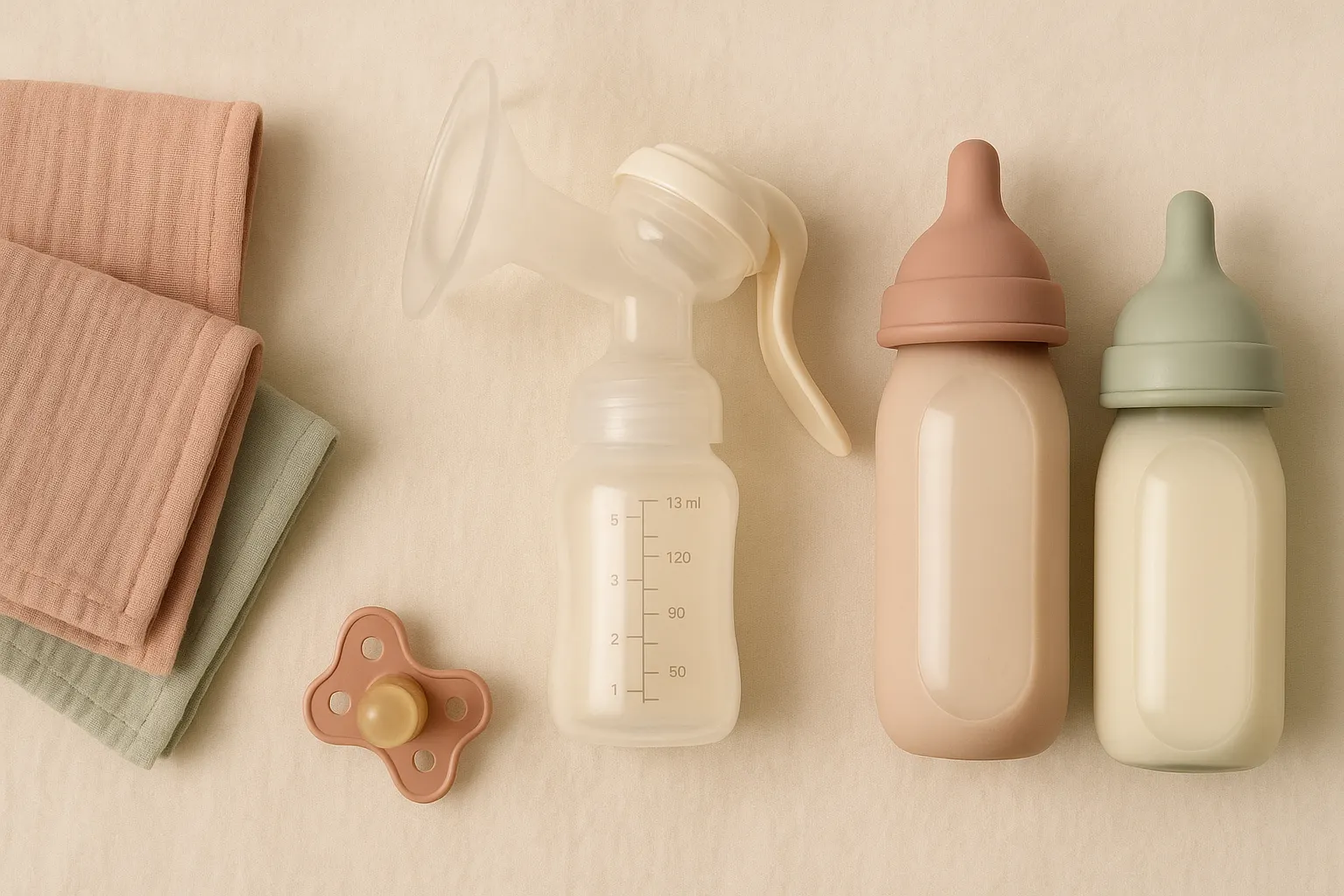
Let's get one thing straight: your worth as a mother has absolutely nothing to do with how you feed your baby. The "breast is best" mantra, while well-intentioned, has mutated into a source of immense guilt and pressure for new moms.
This post contains affiliate links. We may earn a small commission at no extra cost to you. Quick Answer: The best way to feed your baby is the way that keeps both of you healthy and sane. Whether that's exclusive breastfeeding, formula feeding, or a combination of both, a fed baby and a mentally well mother are the only goals that truly matter. Anyone who makes you feel guilty about your choice is not on your team.This isn't about shaming breastfeeding; it's about ditching the shame when it doesn't work for you. Your mental health is not a luxury—it's a necessity for both you and your baby.
Why Is There So Much Guilt?
The pressure comes from everywhere: hospitals, family members, social media, and even our own internal expectations. We're shown images of blissfully nursing mothers, but nobody shows the cracked nipples, the tongue ties, the cluster feeding at 3 AM, or the sheer exhaustion.
Breastfeeding is a beautiful thing if it works for you and your baby. But it's also a complex biological process that doesn't always go according to plan. Supply issues, poor latch, medical conditions, and the need to return to work are all valid reasons why it might not be your reality. The guilt comes from the gap between the idyllic expectation and the often-messy reality.
"Fed Is Best" Isn't Just a Hashtag
"Fed is Best" became a rallying cry for a reason. It’s a reminder that a nourished baby is the end goal. Infant formula is a safe, nutritionally complete food developed by scientists. According to the CDC, it's a healthy alternative to breast milk. Generations of healthy, thriving adults were formula-fed.
For some, combo feeding is the perfect solution. It can give your body a break, allow your partner to help with feedings, and ease the transition back to work. Using a slow-flow bottle like the Dr. Brown's Natural Flow can make it easier for babies to switch between breast and bottle.
Practical Tips for a Guilt-Free Journey
Ready to let go of the pressure? Here’s how.
Give Yourself Permission to Stop
If breastfeeding is damaging your mental health, you have permission to stop. A stressed, anxious, or depressed mother is not what's best for your baby. Your baby needs a present parent more than they need breast milk. It’s that simple.
Unfollow and Mute
Curate your social media feeds. Unfollow influencers who present a flawless, one-sided view of motherhood. Mute relatives who offer unsolicited "advice." Create a bubble of support, not judgment. Your peace is worth more than their opinions.
Find Your Formula
If you decide to supplement or switch, don't be overwhelmed. Most standard formulas (like Enfamil or Similac) are very similar. Find one that's accessible and affordable for you. Talk to your pediatrician if your baby has specific needs, but don't overthink the brand choice. It’s all just baby food.
Invest in Comfort
Whether you're nursing, pumping, or bottle-feeding, comfort is key. A good nursing pillow like the My Brest Friend can save your back during marathon feeding sessions. If you're formula feeding, a simple formula pitcher can make mixing bottles in advance a breeze.
When to Get Help (And Who to Ignore)
If you want to breastfeed but are struggling, a qualified International Board Certified Lactation Consultant (IBCLC) can be a lifesaver. They can diagnose underlying issues like tongue ties or help you improve your latch. They are experts in the mechanics of breastfeeding.
However, an IBCLC's job is to help you meet your goals, not to push a "breast-at-all-costs" agenda. If you feel pressured, find a new one. Ignore anyone who dismisses your pain, your exhaustion, or your mental health concerns. For more on this, check out our post on new mom mental health.
Ultimately, you are the expert on your baby and your body. Trust your instincts.
FAQ
H3: Is it okay to switch from breastfeeding to formula?
Absolutely. It is 100% okay to switch at any time, for any reason. A happy, healthy mom is more important than the source of the milk. Your baby will thrive on formula and a parent who is feeling well.
H3: Will my baby and I still bond if I formula feed?
Yes! Bonding comes from closeness, eye contact, and responsive care—not the nipple. Hold your baby close during bottle feedings, look into their eyes, and talk to them. The bond will be just as strong.
H3: What if I feel like a failure for not breastfeeding?
It's common to feel this way, but it’s not true. Feeding your baby is a success, period. Consider talking to a therapist or joining a supportive parenting group. Reading a book on the transition to motherhood, like Good Moms Have Scary Thoughts, can also be incredibly validating.