You're exhausted. Your baby is crying. Everyone from your well-meaning aunt to random internet forums is telling you to just "let them cry it out." But what if that feels wrong? What if the thought of leaving your baby to cry alone makes your entire body tense up? You're not alone, and you're not wrong for feeling that way.
This post contains affiliate links. We may earn a small commission at no extra cost to you. TL;DR: Gentle sleep training is possible. Focus on creating a safe and predictable sleep environment with a consistent routine, use tools like swaddles and white noise, and try soothing methods like the "pick up, put down" technique. The goal is to teach your baby to sleep independently without leaving them to feel abandoned.The good news is, there is a whole world of baby sleep support that doesn't involve shutting the door on a screaming infant. Let's talk about how to get some rest without sacrificing your instincts.
Understanding the "Why" Behind Gentle Sleep
The "cry it out" (CIO) method can be effective for some families, but it's not the only way. For many parents, the approach feels too harsh, especially in the newborn phase. Gentle sleep methods are built on the idea that babies need to feel secure to relax into sleep. It’s about co-regulation—lending your calm to your baby until they can find their own. This approach can be slower, but it often feels more connected and can do wonders for a new mom's mental health.
Building a Strong Sleep Foundation
Before you even think about "training," you need to set the stage. These foundational pieces are non-negotiable for better sleep, no matter what method you choose.
The Sleep Environment is Everything
Your baby's room should be boring. Like, incredibly boring. The goal is to minimize stimulation so their brain can switch off.
- Darkness is Key: Even a sliver of light can disrupt sleep cycles. Invest in high-quality blackout curtains. You want the room pitch black, even for naps.
- Consistent White Noise: A continuous, low, rumbly sound is incredibly soothing. It mimics the womb and drowns out household noise. A dedicated white noise machine is better than a phone app.
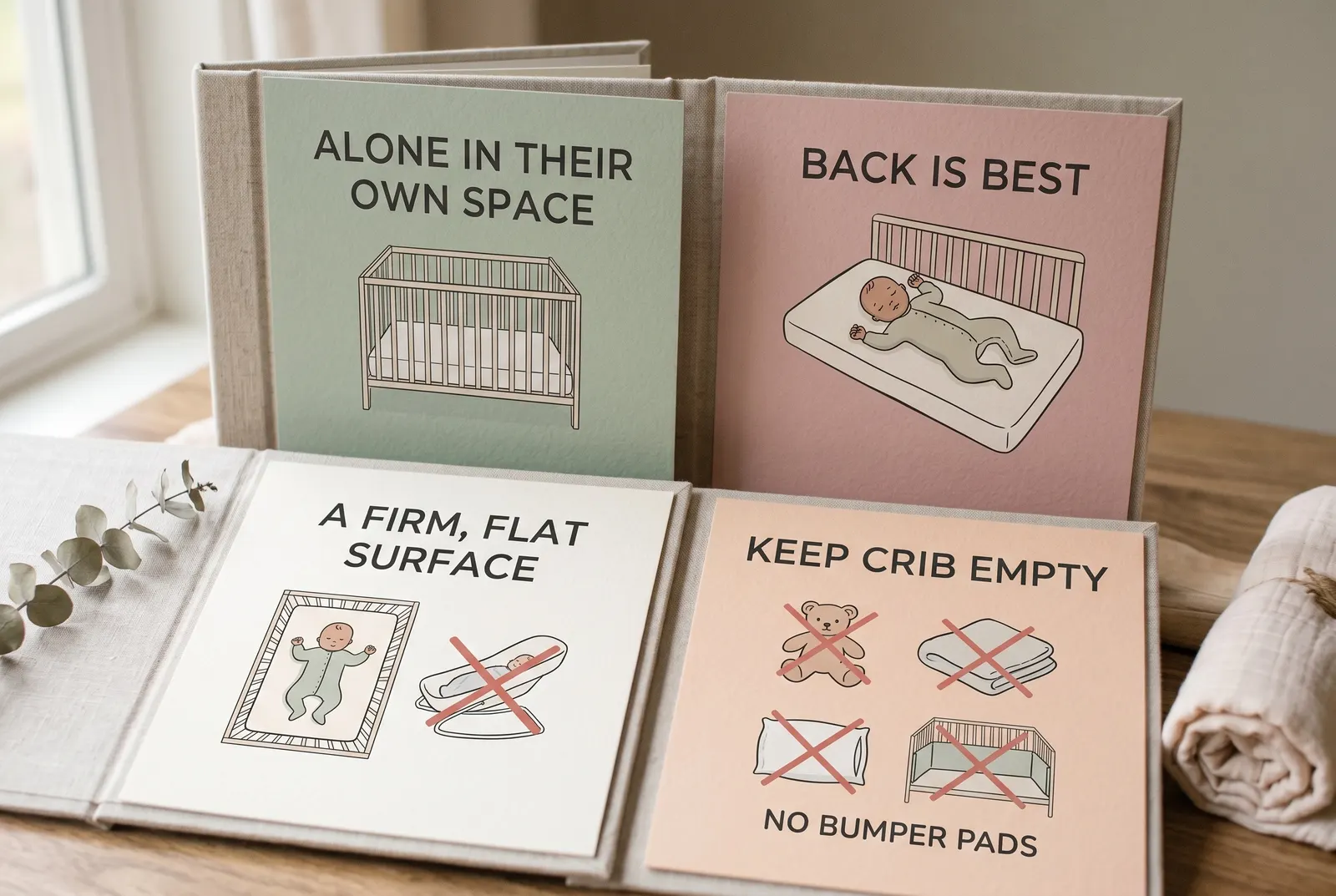
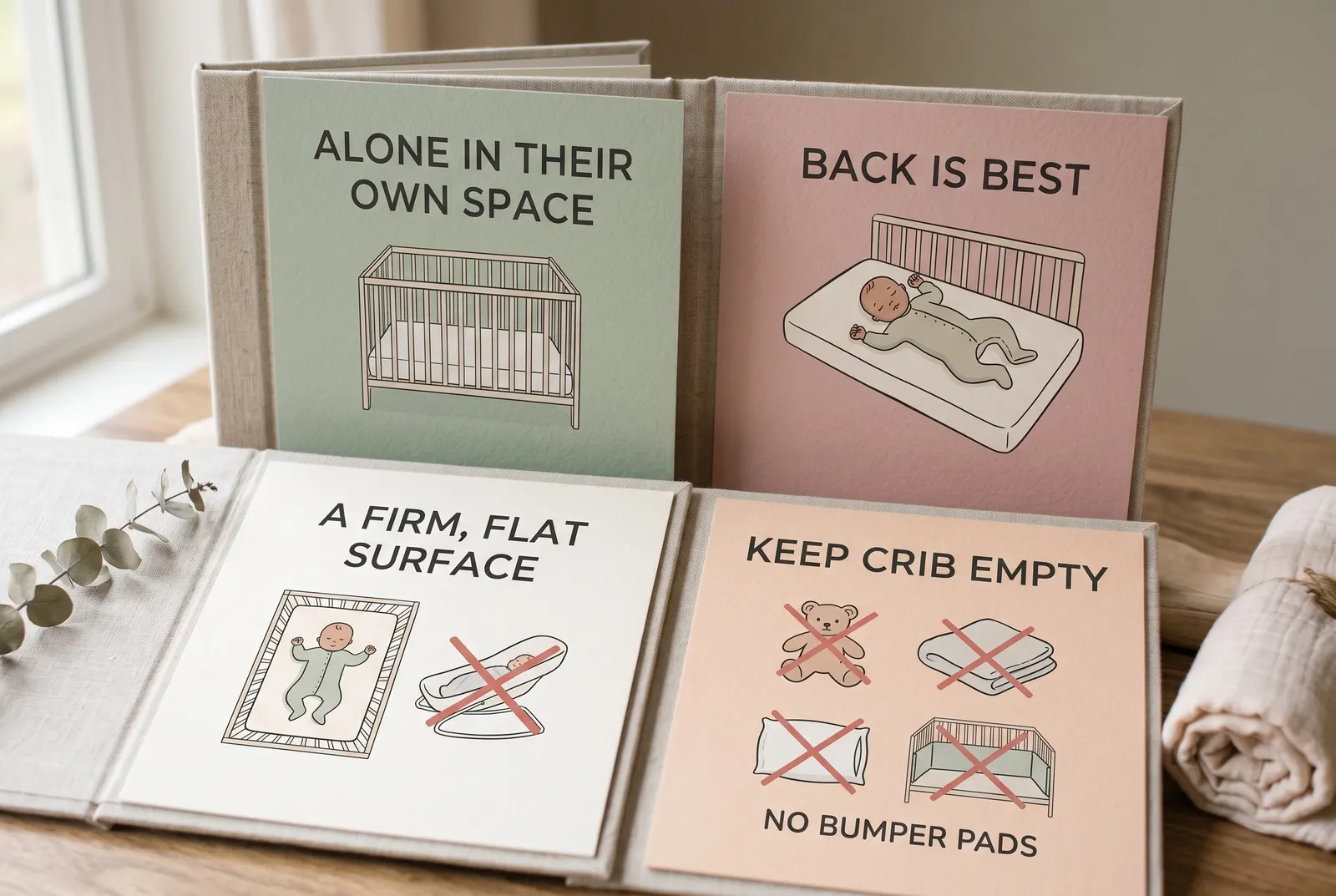
- Safe & Simple Crib: The American Academy of Pediatrics emphasizes a bare crib for safety. That means a firm mattress, a fitted sheet, and nothing else. No bumpers, no blankets, no stuffed animals. You can find their full safe sleep guidelines on their official site.
The Magic of the Swaddle
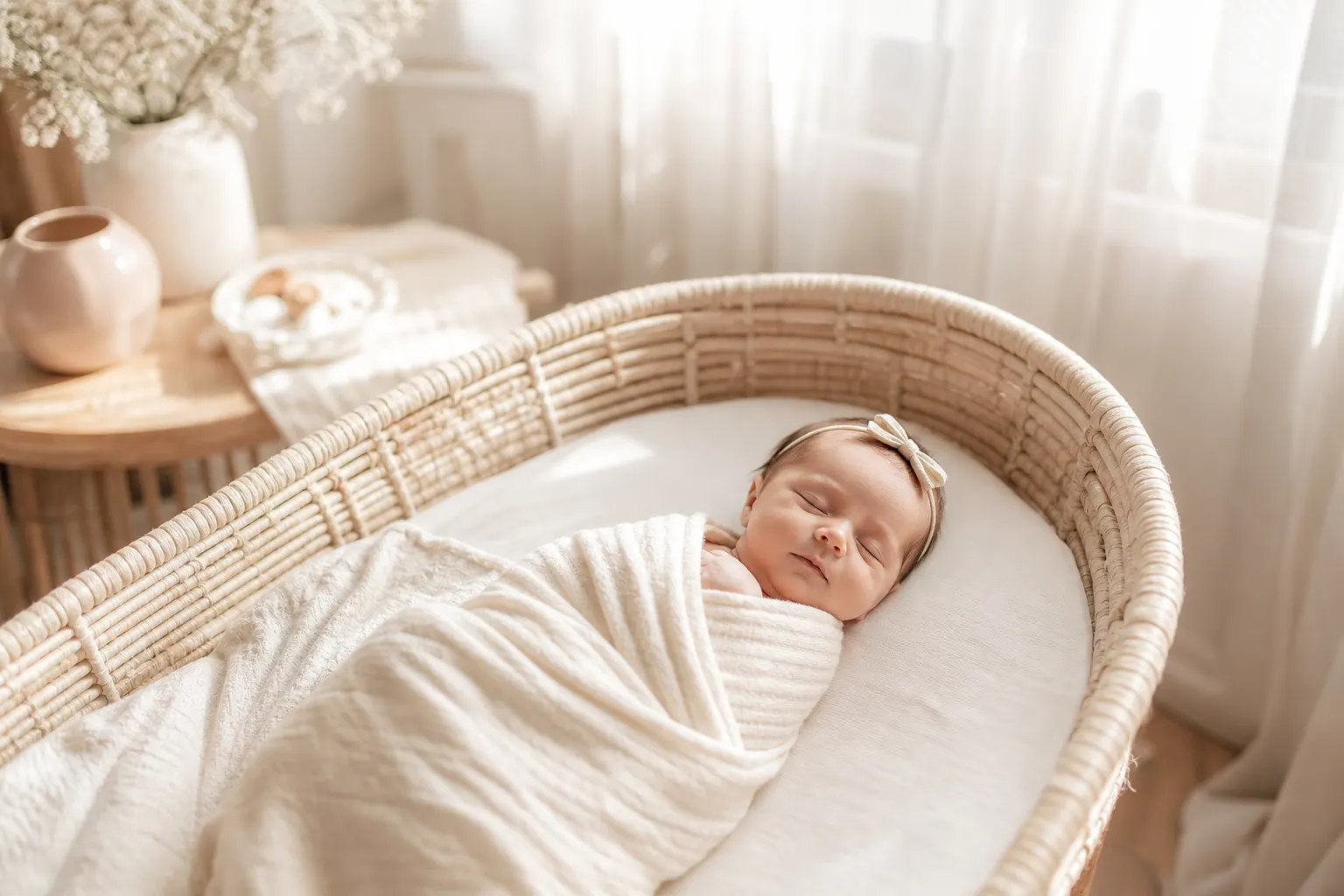
For the first few months, a swaddle is your best friend. The snug feeling suppresses the Moro (startle) reflex that can wake a sleeping baby. A good swaddle with velcro or a zipper is much easier and more secure than trying to be a blanket-folding artist at 3 AM.
Gentle "No-Tears" Techniques to Try
Once your foundation is solid, you can introduce techniques that teach your baby to fall asleep without you, but with plenty of support.
The "Pick Up, Put Down" Method
This one is exactly what it sounds like. You do your soothing bedtime routine and put your baby in their crib awake, but drowsy. If they start to fuss or cry, you pick them up and comfort them until they are calm. Then, you put them back down. You repeat this as many times as it takes. It requires patience, but it constantly reassures your baby that you are there for them.
The "Shush-Pat" Technique
Another popular option is to leave your baby in the crib while offering comfort. If they start fussing, you place a hand firmly on their chest and begin rhythmically patting their bottom or side while making a loud "shushing" sound right next to their ear. You're essentially recreating the movement and sounds of the womb. As they calm, your patting and shushing become gradually softer and slower until you can tiptoe away.
The Fading Method (The "Chair Method")
This is better for slightly older infants (4-6 months+). You start by sitting in a chair right next to the crib, offering verbal comfort and occasional patting until your baby falls asleep. Every few nights, you move the chair further away from the crib, until you are eventually sitting outside the door, and then, finally, not there at all.
Remember: It's a Marathon, Not a Sprint
Gentle sleep teaching takes time and consistency. You will have good nights and bad nights. The key is to stay consistent with your chosen approach. If you're feeling overwhelmed, tap out and let your partner take over. Your baby can sense your stress, and it's okay to need a break. And if something isn't working after a week or two, it's okay to try a different gentle method. You'll find what works for your family.
FAQ
H3: Can you start gentle sleep training from birth?
You can't formally "train" a newborn, but you can build a great sleep foundation from day one. Focus on routines, a dark room, white noise, and responding to their needs. Formal methods are best saved for when they are at least 4 months old and have more developed sleep cycles.
H3: How long does gentle sleep training take?
It varies widely. Because it's a more gradual approach, it can take anywhere from one to three weeks to see significant, lasting improvement. The key is consistency from all caregivers.
H3: Is it okay to feed my baby to sleep?
Absolutely, especially in the early months! A feed-to-sleep association is a very common and natural way for babies to relax. As they get older, if it becomes the only way they can fall asleep and it's no longer working for you, you can use gentle methods to slowly introduce falling asleep in the crib as the final step of the routine after the feed.