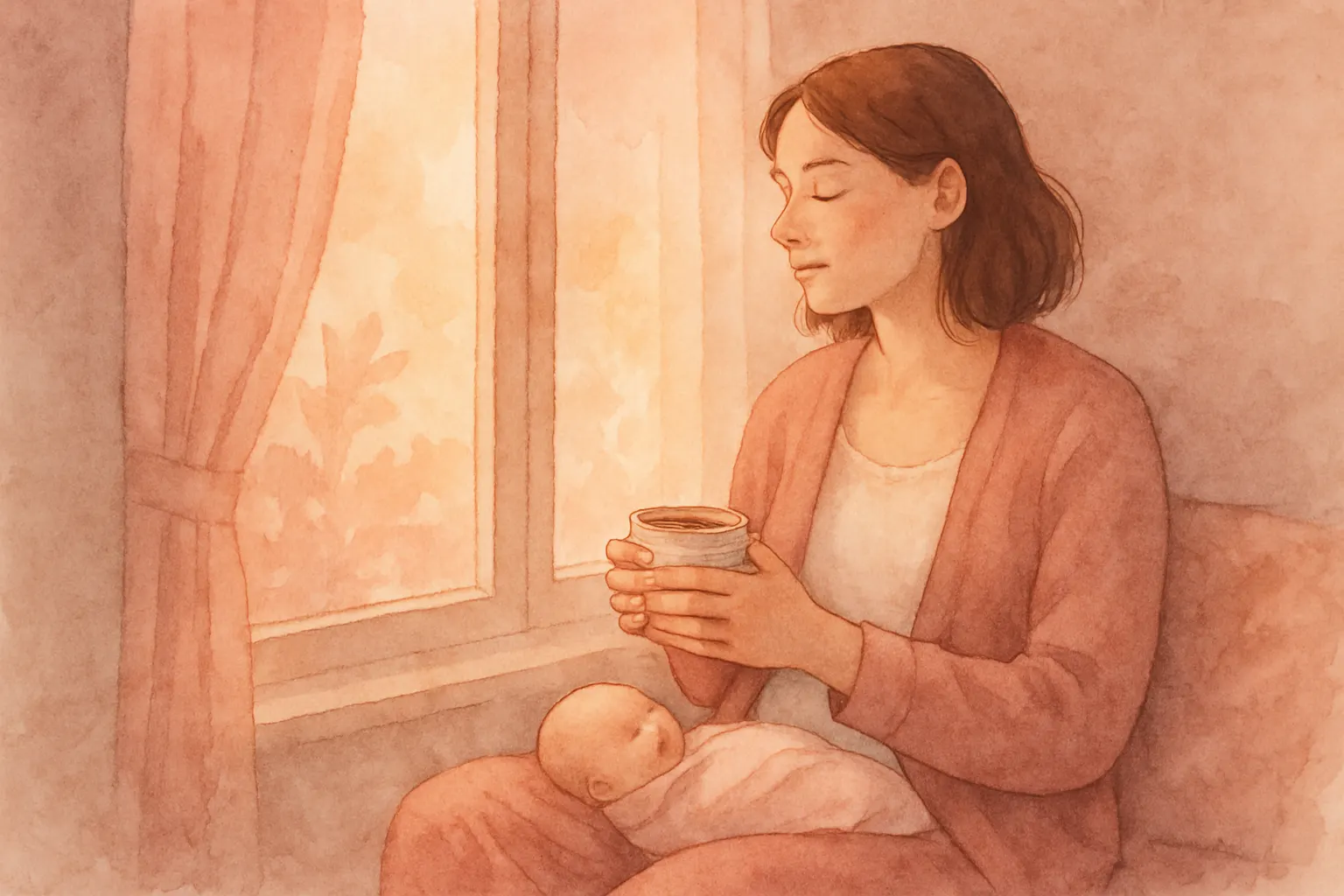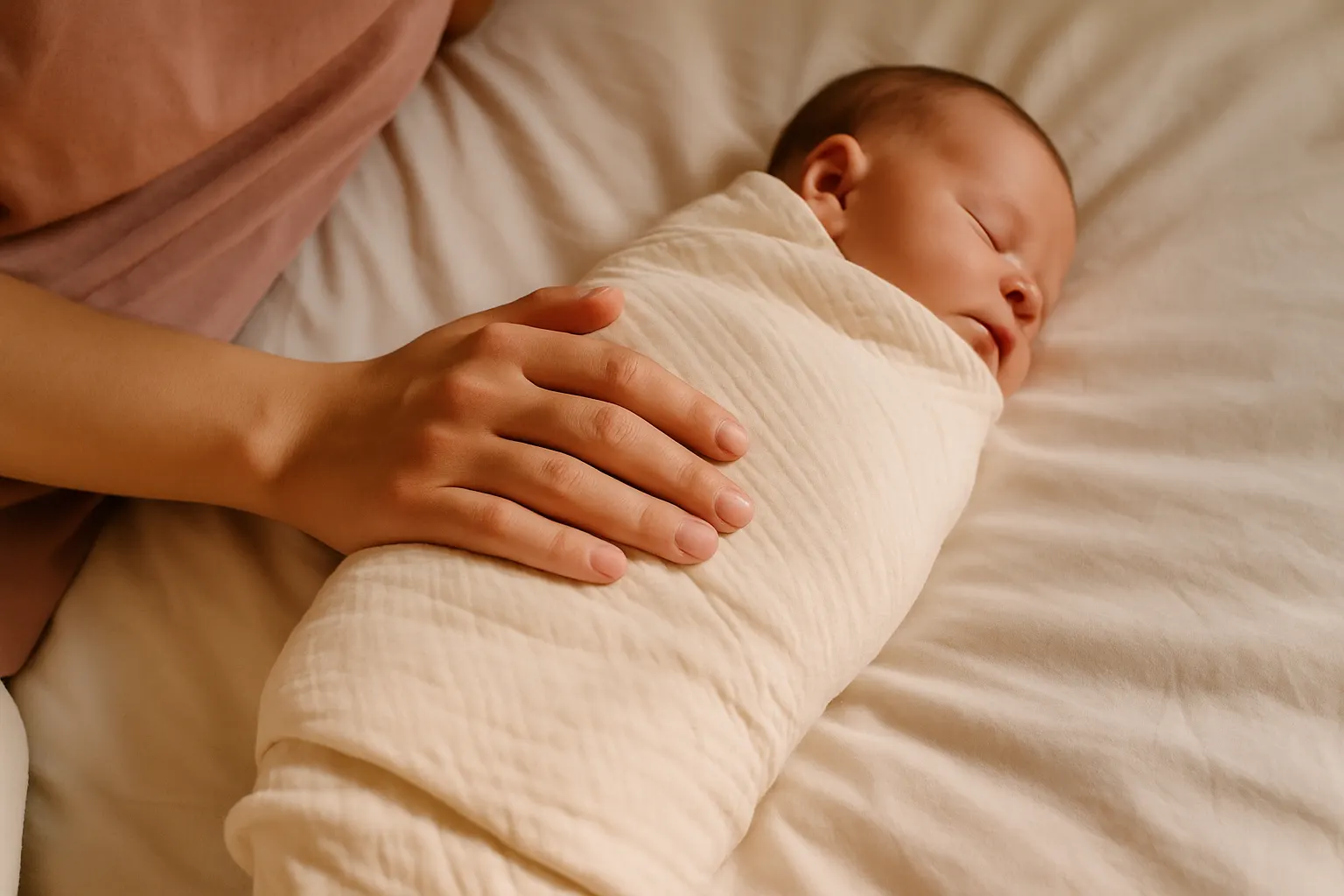
You just had a baby. You're exhausted, leaking from places you didn't know could leak, and randomly crying at a dog food commercial. Is this normal? Almost definitely. But how do you know when "normal" tips into something that needs real support?
This post contains affiliate links. We may earn a small commission at no extra cost to you. Quick answer: Baby blues affect up to 80% of new moms and resolve on their own within two weeks. Postpartum depression (PPD) is more intense, lasts longer than two weeks, and needs actual treatment — therapy, medication, or both. If you're still struggling at week three, please talk to your provider. You are not broken, and you are not alone.Let's break it down, no shame attached.
What Are Baby Blues?
The baby blues aren't a character flaw or a sign you're not cut out for motherhood. They're a hormone crash — full stop. During pregnancy, your estrogen and progesterone levels are through the roof. Within 24-72 hours of delivery, they plummet. Your body is adjusting to a seismic hormonal shift while also healing from birth, losing sleep, and producing food for another human. Of course you're emotional.
What Baby Blues Actually Feel Like
Expect mood swings, random crying (the dog food commercial is real), irritability, anxiety, and feeling overwhelmed. These symptoms typically peak around days 3-5 postpartum and fade by day 14. You'll have stretches where you feel totally fine — even happy and in love with your baby — and then suddenly you're sobbing again. That's the blues.
The key word is temporary. If you're getting some rest, eating, and have support around you, baby blues tend to lift on their own. A good nursing pillow to help you rest comfortably during feeds and someone to handle the laundry go a long way during this window.
What Is Postpartum Depression?
Postpartum depression is different. It's not just "the blues that stuck around." PPD is a clinical mood disorder triggered by the hormonal and life upheaval of having a baby. It affects roughly 1 in 7 mothers, according to the American Psychological Association, and it can show up anytime in the first year — not just in the first few weeks.
Signs Postpartum Depression Might Be What You're Dealing With
PPD goes deeper and stays longer. Watch for:
- Persistent sadness or emptiness that doesn't lift
- Feeling completely disconnected from your baby (no warm feelings, numbness, or going through the motions)
- Intense, irrational anxiety or panic attacks
- Rage or irritability that feels out of character
- Intrusive thoughts (scary thoughts you don't want to have)
- Difficulty functioning day-to-day — not eating, not showering, not able to care for yourself or your baby
- Feeling like your family would be better off without you
This is not you being weak. This is a medical condition, and it is treatable. Telling your OB, midwife, or therapist is the bravest thing you can do.
Postpartum Anxiety: The One Nobody Talks About Enough
Here's one that often gets missed: postpartum anxiety (PPA). It can show up alongside PPD or on its own. Instead of sadness, you're in overdrive — constantly catastrophizing, unable to sleep even when the baby sleeps, running worst-case scenarios on repeat.
If your brain won't stop spinning, that's worth talking to someone about too. It's just as real and just as treatable. Tracking your mood and sleep with an app like Ovia can help you see patterns and bring concrete data to your next appointment.
How to Actually Get Support
Knowing you need help is step one. Getting it is step two, and it can feel overwhelming when you're already depleted. Here's what actually works:
Talk to your provider first. Your OB, midwife, or family doctor can screen you, discuss medication options (many are safe while breastfeeding), and refer you to a therapist who specializes in perinatal mental health. Therapy works. Cognitive behavioral therapy (CBT) and interpersonal therapy are both evidence-based for PPD. You can often find sessions via telehealth so you don't have to drag yourself and the baby anywhere. Medication is a real option. There is zero shame in antidepressants. They are not a life sentence and they are not a failure. They are a tool that helps your brain do what it can't do right now on its own. Ask for and accept help. This is not the time for "I'm fine, I've got it." Let your partner, family, or friends bring meals, hold the baby, do the dishes. A postpartum recovery kit can also help you physically recover, which genuinely does affect your mental state. Community matters. Finding other moms who get it — in person or online — reduces isolation dramatically. BabyCenter has active community boards where real moms talk about this stuff without judgment.What About Partners and Non-Birthing Parents?
PPD can affect partners too — up to 10% of new dads experience it. If the non-birthing parent is withdrawing, irritable, or struggling, that's worth paying attention to. See our guide on what dads can actually do in the first six weeks for a real conversation about this.
When to Get Help Right Now
If you are having thoughts of harming yourself or your baby, please reach out immediately. Call or text the Postpartum Support International helpline at 1-800-944-4773, or text "HELLO" to 741741 (Crisis Text Line). These thoughts are a symptom of an illness — they do not make you a bad mother, and you deserve immediate support.
A baby monitor that lets you step away from the room without anxiety spiraling can also be a small, practical piece of peace of mind while you're getting support.
---
FAQ
How long do baby blues last?
Baby blues typically last between 3 and 14 days after birth. If your symptoms persist beyond two weeks or intensify rather than improve, talk to your healthcare provider — you may be experiencing postpartum depression.
Can you have postpartum depression if you feel happy sometimes?
Yes. PPD doesn't mean you feel terrible every single moment. You can bond with your baby, laugh, and still have PPD. The condition is defined by its persistence, intensity, and impact on daily functioning — not by constant misery.
Is postpartum depression the same as the "baby blues"?
No. Baby blues are a temporary hormonal adjustment that affects most new mothers and resolves within two weeks without treatment. Postpartum depression is a clinical mood disorder that lasts longer, is more intense, and requires professional care to treat effectively.